Cheaney Shoes represents one of the most respected names in British footwear, known for its dedication to traditional craftsmanship and timeless design. The brand has built a strong identity around quality materials, skilled production, and elegant styling. The keyword cheaney is often associated with luxury, durability, and authentic English shoemaking heritage that continues to attract global attention.


Cheaney shoes are designed for individuals who value both comfort and sophistication in their footwear choices. Every pair reflects a balance of classic British aesthetics and modern usability, making them suitable for formal and smart-casual occasions. The growing demand for cheaney products highlights the brand’s ability to remain relevant in today’s competitive luxury shoe market.
Heritage of Joseph Cheaney & Sons
The story of Joseph Cheaney & Sons begins in 1886 in Northamptonshire, a historic centre of shoemaking excellence in England. From its foundation, the company has remained committed to preserving traditional craftsmanship while evolving with modern fashion demands. The legacy of Joseph Cheaney & Sons continues to influence the identity of cheaney shoes today.
Over generations, the brand has maintained its reputation for excellence through careful attention to detail and skilled handcrafting techniques. Cheaney has become a symbol of British heritage, representing consistency and trust in luxury footwear. Many customers associate cheaney shoes with authenticity, making the brand a preferred choice for long-lasting investment footwear.
Craftsmanship and Manufacturing Excellence
The craftsmanship behind cheaney shoes is one of the key reasons for their global recognition. Each shoe is carefully constructed using high-quality leather, precise stitching, and expert finishing techniques. Skilled artisans ensure that every stage of production meets strict quality standards, resulting in footwear that is both durable and elegant.
One of the defining features of cheaney manufacturing is the Goodyear welt construction method, which enhances strength and allows shoes to be resoled multiple times. This not only extends the lifespan of the footwear but also adds long-term value for customers. The attention to detail in cheaney production reflects a deep respect for traditional English shoemaking methods.
Cheaney Shoe Collections and Styles
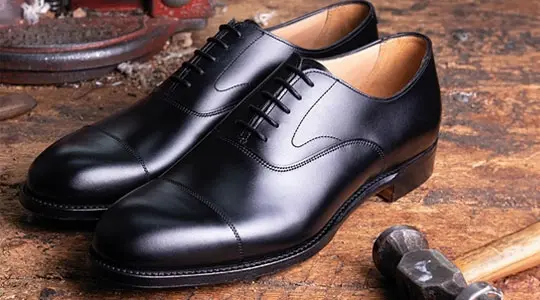
The cheaney collection offers a wide range of footwear designed to suit different occasions and preferences. From formal Oxford shoes to stylish Derby designs, the brand caters to professionals who require elegance and comfort in their daily wear. Each design reflects the refined craftsmanship that cheaney shoes are known for across the UK and beyond.
In addition to formal styles, cheaney offers a selection of casual and semi-formal options that maintain the same level of quality. The versatility of the collection allows customers to choose footwear that suits both work and leisure environments. This adaptability has made cheaney shoes a popular choice among fashion-conscious individuals seeking premium British footwear.
Cheaney Boots, Loafers and Style Appeal
Cheaney boots are highly regarded for their durability, comfort, and timeless style. Whether it is Chelsea boots, chukka boots, or rugged country designs, each pair is made to withstand regular use while maintaining a sophisticated appearance. The popularity of cheaney boots continues to grow among individuals who appreciate both fashion and practicality.
Cheaney loafers also offer a stylish alternative for those seeking a more relaxed yet refined look. These shoes are ideal for smart-casual occasions, providing comfort without compromising elegance. The versatility of cheaney footwear allows wearers to transition seamlessly between formal and casual settings, reinforcing the brand’s strong reputation in British fashion.
Cheaney Shoes UK Market, Sales and Buying Guide
In the UK, cheaney shoes are widely recognised as a premium footwear choice for individuals who appreciate heritage and craftsmanship. The brand holds a strong position in the luxury market, competing with other established British shoemakers. The keyword cheaney shoes uk is frequently searched by customers looking for authentic and high-quality footwear.
Many buyers also explore cheaney sale and outlet options to find premium shoes at more accessible prices. Seasonal discounts and online promotions provide opportunities to invest in luxury footwear without compromising on quality. When purchasing cheaney products, it is important to consider fit, material, and intended use to ensure long-term satisfaction.
Care, Maintenance and Long-Term Value
Proper care plays an essential role in maintaining the quality and appearance of cheaney shoes. Regular cleaning, polishing, and conditioning help preserve the leather and extend the life of the footwear. With correct maintenance, cheaney shoes can remain in excellent condition for many years, offering exceptional value over time.
Storing shoes correctly and using protective products also contributes to their longevity. Many owners of cheaney footwear appreciate the fact that the shoes can be resoled, making them a sustainable and cost-effective investment. This long-term durability is one of the reasons cheaney continues to be a trusted name in British shoemaking.
Conclusion
Cheaney Shoes continues to represent the finest traditions of British craftsmanship, combining heritage, quality, and timeless design. The brand’s commitment to excellence ensures that every pair delivers comfort, durability, and style. The keyword cheaney remains strongly associated with luxury footwear that stands the test of time.
From classic formal shoes to versatile cheaney boots and loafers, the brand offers something for every wardrobe. Its strong heritage and continued innovation have secured its position as one of the leading names in British shoemaking. Choosing cheaney shoes means investing in quality, tradition, and enduring elegance.