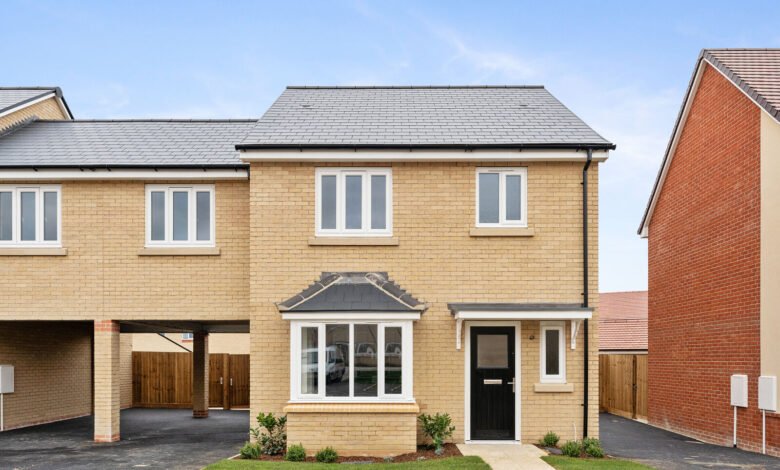
A link detached house is a popular yet often misunderstood property type in the UK housing market. It sits between a detached and semi-detached home, offering a blend of privacy and affordability. Many buyers searching for a link detached house want the feel of a standalone home without paying the full premium of a fully detached property.

A link detached house usually appears detached at first glance, but it is subtly connected to a neighbouring property through a non-living structure such as a garage or utility room. This design creates confusion for buyers, especially those asking what is a link detached house UK and how it differs from other home styles. Understanding this layout is essential before making a purchase decision.
What Is a Link Detached House and Its Meaning
A link detached house is a property where the main living areas do not share any walls with neighbouring homes. Instead, the connection is made through an attached structure like a garage or storage space. This is the simplest explanation of link detached house meaning and why it is considered a hybrid housing type.
When people ask what does a link detached house mean, the answer lies in its structure rather than appearance. Although it may look like a fully detached home, a link detached house still has a physical connection that classifies it differently in property terms. This distinction is important for buyers comparing detached, semi-detached and link detached options.
Structure and Design of a Link Detached House
The design of a link detached house focuses on separating living spaces while maintaining a structural connection at one point. This link is usually built using garages or utility rooms, which are not classed as habitable spaces. This is why a link detached house can still offer a strong sense of privacy despite its connected layout.
In many UK developments, a link detached house is carefully designed to maximise space efficiency while maintaining visual uniformity in the neighbourhood. Buyers often ask where is the boundary on a link detached house, and in most cases, the boundary runs along the plot line rather than the connecting structure itself. This makes ownership and maintenance an important consideration.
How Link Detached House Differs from Other Homes
A link detached house is often confused with both detached and semi-detached homes, but there are clear differences. Unlike a fully detached house, it has a physical connection through a non-living structure. However, unlike a semi-detached home, it does not share a living wall, which improves privacy and reduces noise transfer.
Many buyers ask is a link detached house detached, and the answer is partially yes. A link detached house offers the lifestyle benefits of detached living but still retains a structural link. This makes it a middle-ground option for those who want affordability without sacrificing too much independence.
Advantages of a Link Detached House
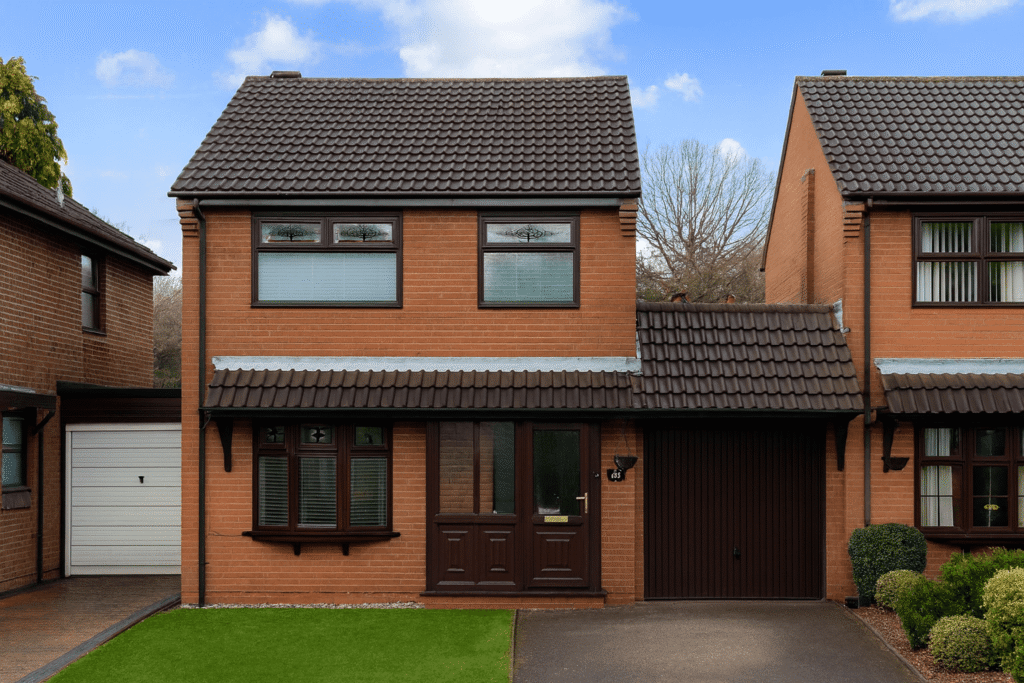
One of the main benefits of a link detached house is improved privacy compared to semi-detached homes. Because there are no shared living walls, noise levels are significantly reduced, creating a quieter living environment. This makes a link detached house ideal for families or professionals who value peaceful surroundings.
Another advantage of a link detached house is its affordability compared to fully detached properties. Buyers can enjoy many of the same lifestyle benefits, such as private gardens and spacious layouts, but at a lower price point. This balance of cost and comfort makes it a strong choice in competitive UK housing markets.
Link Detached House Problems and Common Issues
Despite its advantages, a link detached house can present certain challenges for homeowners. One common issue involves maintenance responsibilities for the connecting structure. If garages or shared foundations are involved, disputes may arise between neighbours regarding repairs or costs.
Another issue with a link detached house is misunderstanding during purchase. Buyers may assume full detachment, only to discover limitations later. This is why searches like link detached house problems are common among prospective homeowners who want to avoid unexpected maintenance or legal complications.
Boundaries and Legal Considerations
Understanding boundaries is essential when buying a link detached house. The boundary usually runs through the land plot rather than the connecting structure, but this can vary depending on title deeds. Many buyers researching where is the boundary on a link detached house find that legal documents are crucial for clarity.
A link detached house may also fall under shared responsibility rules if structural elements are connected. This can include garage walls or roofing structures. As a result, homeowners should always review legal paperwork carefully to avoid disputes or confusion about ownership and maintenance duties.
Link Detached House Permitted Development and Extensions
A link detached house often comes with certain permitted development rights, allowing homeowners to make improvements without full planning permission. However, these rights depend on the specific property and local authority regulations. This is why checking link detached house permitted development rules is essential before making changes.
When considering a link detached house extension ideas, homeowners often explore rear extensions, loft conversions, or garage modifications. However, the connecting structure can complicate planning approval. Any alteration involving the link may require additional permissions, especially if structural integrity is affected.
Link Detached House Garage Conversion and Renovation
A link detached house garage conversion is one of the most popular renovation projects in the UK. Converting the linking garage into a living space can add value and improve functionality. However, it must comply with building regulations to ensure safety and structural stability.
Homeowners should also consider neighbour impact when planning a link detached house garage conversion. Since the garage often forms the physical connection between properties, changes may require consent or legal agreements. Proper planning ensures that the conversion enhances the home without causing disputes.
Extending or Unlinking a Link Detached House
Extending a link detached house is possible but requires careful planning. Common extension ideas include side or rear additions that enhance living space while maintaining structural balance. However, the presence of the link can limit design flexibility in some cases.
Many homeowners ask can you unlink a link detached house, but this is rarely straightforward. Removing the structural link typically requires significant construction work and planning approval. In most cases, it is more practical to enhance the existing structure rather than attempt full separation.
Conclusion
A You may also read
offers a unique balance between detached and semi-detached living, making it a popular choice for UK buyers. It provides privacy, space, and affordability while still maintaining a subtle structural connection that defines its identity in the property market.
Overall, a link detached house remains a practical housing option for those who want detached-style living without the full cost. Understanding its structure, boundaries, and potential limitations helps buyers make informed decisions and avoid common pitfalls in ownership or renovation.