Levens Hall is one of Cumbria’s most remarkable historic estates, known for its Elizabethan architecture and world-famous topiary gardens. Before planning a visit, understanding the Levens Hall opening times is essential, as the estate operates on a seasonal schedule that changes throughout the year. This ensures the House, Gardens, and visitor facilities remain well preserved while still welcoming tourists.


The Levens Hall opening times are designed to balance conservation with tourism, meaning different areas of the estate open and close at slightly different hours. Visitors who check the timings in advance can enjoy a smoother experience, avoid disappointment, and make the most of everything the estate has to offer, from historic interiors to beautifully maintained gardens and on-site dining.
Levens Hall Opening Times 2026 Overview
The Levens Hall opening times for 2026 generally follow a seasonal pattern, with the estate open daily from late March through to early November. During this period, visitors can access the Gardens, House, café, and gift shop, although each section operates on its own schedule. This structure allows the estate to manage visitor flow while protecting its historic and natural features.
Understanding the Levens Hall opening times is important because not all areas open at the same hour. The Gardens typically open earlier in the day, while the House has a shorter visiting window. The Kitchen and shop also follow separate operating hours, making it important for visitors to plan their arrival carefully to enjoy a complete experience.
Levens Hall Opening Times for the House
The House at Levens Hall is one of the most historically significant parts of the estate, offering visitors a glimpse into centuries of preserved architecture and interiors. The Levens Hall opening times for the House usually run from late morning to mid-afternoon, with last entry scheduled earlier than closing time to ensure a calm and structured visitor experience.
Because of the delicate nature of the interiors, the Levens Hall opening times for the House are more restricted than other areas. This helps preserve antique furnishings, artwork, and architectural details. Visitors are encouraged to arrive early to fully enjoy the guided or self-guided tours, as the House remains one of the most popular attractions within the estate.
Levens Hall Opening Times for the Gardens
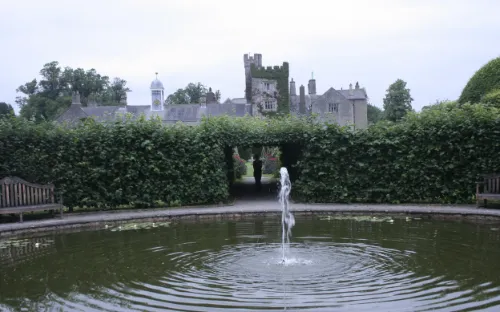
The Gardens at Levens Hall are internationally renowned for their historic topiary designs, some of the oldest in the world. The Levens Hall opening times for the Gardens are typically longer than the House, allowing visitors plenty of time to explore the landscaped grounds, orchard areas, and seasonal floral displays throughout the day.
The Levens Hall opening times for the Gardens also allow for flexible visiting, as early morning and late afternoon are especially popular for photography and peaceful walks. Seasonal changes greatly influence the garden experience, making spring and summer the most vibrant times to visit this iconic attraction.
Levens Hall Opening Times for Kitchen, Café & Shop
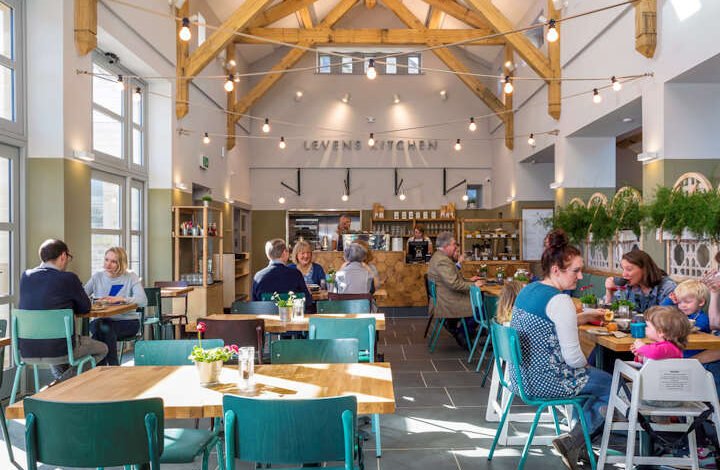
The Kitchen, café, and gift shop at Levens Hall provide essential services for visitors spending a full day on the estate. The Levens Hall opening times for these facilities generally begin earlier than the House, offering breakfast, drinks, and light meals before exploring the gardens or historic rooms.
The Levens Hall opening times for the café and shop are designed to support a relaxed visitor experience. Guests can enjoy locally sourced food, refreshments, and souvenirs without needing to leave the estate. This makes the café a popular stop for families and tourists looking to extend their visit comfortably.
Seasonal Structure of Levens Hall Opening Times
The Levens Hall opening times follow a clearly defined seasonal structure, meaning full access is usually available from spring through early autumn. During these months, all main attractions are open, providing a complete visitor experience. Outside this period, access may be limited or restricted to specific areas.
Seasonal variation is a key reason why checking the Levens Hall opening times before visiting is so important. Weather conditions, conservation work, and maintenance schedules can all influence availability. This ensures the estate remains preserved for future generations while still welcoming thousands of visitors each year.
Levens Hall Opening Times Today and Visitor Planning
When checking Levens Hall opening times today, visitors should confirm whether the estate is currently within its open season. On active days, the Gardens and café may open earlier, while the House follows a slightly later schedule. This staggered timing helps manage visitor flow efficiently and enhances the overall experience.
Planning ahead using the Levens Hall opening times ensures visitors can maximise their visit. Arriving early is recommended, especially during weekends and holidays when footfall is higher. Checking official updates before travelling is always advisable, as seasonal changes or maintenance work can occasionally affect daily schedules.
Levens Hall Opening Times Tomorrow and Future Visits
For those planning ahead, Levens Hall opening times tomorrow generally follow the same seasonal pattern as today unless special events or closures are scheduled. This consistency helps visitors plan trips with confidence, particularly when travelling from other parts of the UK or abroad.
Understanding future Levens Hall opening times is especially useful for families and tour groups. By checking schedules in advance, visitors can coordinate travel, dining, and sightseeing more effectively, ensuring they enjoy a relaxed and well-organised visit to this historic estate.
Historical Changes in Levens Hall Opening Times
Over the years, Levens Hall opening times have evolved to meet changing visitor needs and conservation priorities. Earlier years such as 2015, 2017, and 2019 featured slightly different schedules, with fewer extended services compared to the more structured 2026 timetable used today.
Modern Levens Hall opening times are more visitor-friendly and clearly defined, helping tourists better understand when each area of the estate is accessible. These improvements reflect the estate’s commitment to balancing heritage preservation with a high-quality visitor experience.
Best Time to Visit Based on Levens Hall Opening Times
The best time to visit based on Levens Hall opening times is during late spring and summer when the gardens are at their most colourful and vibrant. Morning visits are ideal for those seeking quieter surroundings and better photography opportunities within the topiary gardens.
Afternoon visits also offer a relaxed experience, particularly for visitors interested in dining at the café or exploring the House. The flexible Levens Hall opening times allow guests to plan their visit according to personal preferences, making it suitable for both short trips and full-day excursions.
Conclusion
Understanding Levens Hall opening times is essential for anyone planning a visit to this historic Cumbria landmark. With separate schedules for the House, Gardens, and visitor facilities, proper planning ensures a smooth and enjoyable experience throughout the estate.
By checking Levens Hall opening times in advance, visitors can avoid confusion, make the most of their day, and fully appreciate the beauty and heritage of this remarkable attraction. Whether visiting today, tomorrow, or later in the 2026 season, careful timing guarantees a memorable experience.